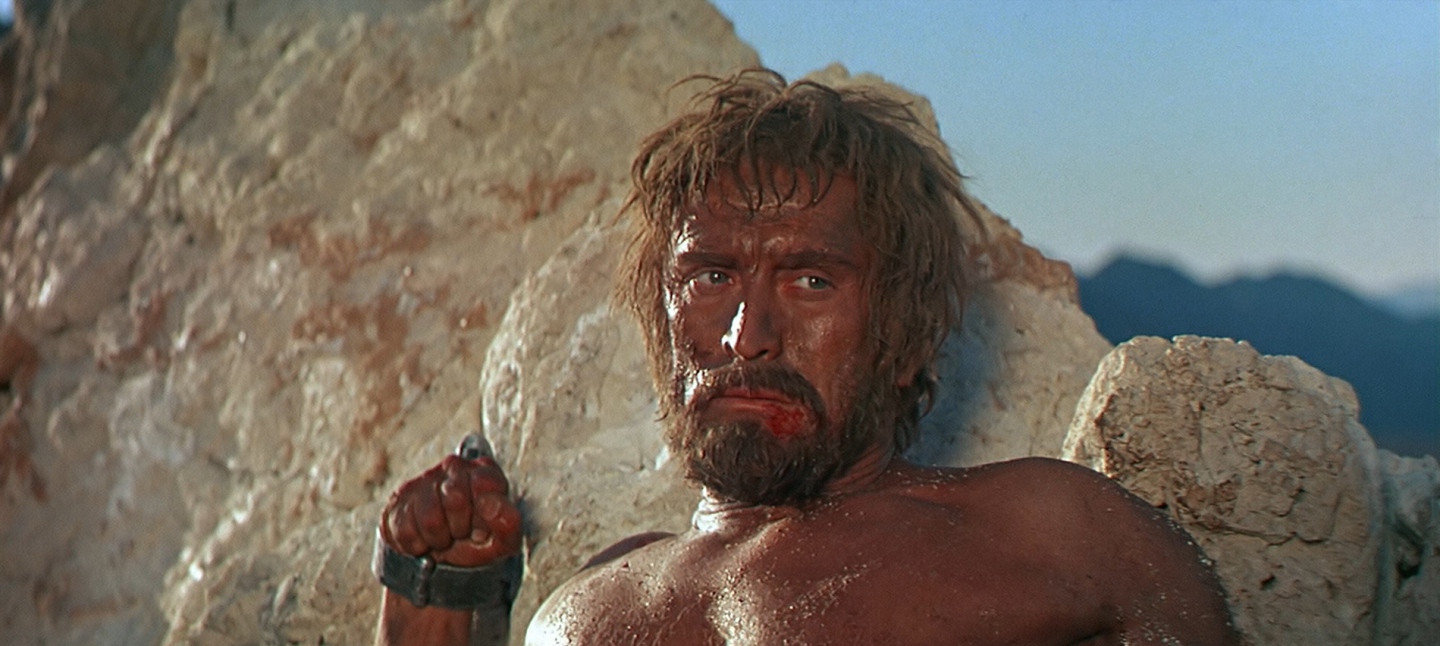
One of the most compelling stories which got me interested in the idea of Russian conspiracies was the Andrei Nekrasov film ‘Poisoned by Polonium: The Litvinenko File’ (2008) (released internationally as ‘Rebellion: The Litvinenko Case’ (2007)); and to a lesser extent, Nekrasov’s prior film ‘Disbelief’ (2004). The documentaries stand out as poignant critiques of the Putin regime. As the title suggests, in the case of Poisoned by Polonium the emphasis is on the agonizing poisoning death of Alexander Litvinenko at the hands of the Russian Federal Security Service (FSB). In the case of Disbelief, the film focuses heavily on the idea that the 1999 Moscow Bombings which brought Putin to power were some kind of an FSB provocation.
Since those films released, there has been considerable speculation about Nekrasov’s film : ‘The Magnitsky Act: Behind the Scenes’ (2016). The film has been roundly criticized in the West because it has called into question the idea that Sergei Magnitsky was a victim of the Russian state and instead posits some kind of Western conspiracy to discredit Russia. To this point, the release of the 2016 film caused The Daily Beast to publish an article: ‘How an Anti-Putin Filmmaker Became a Kremlin Stooge’.
Today I would like to explore the idea that Nekrasov has never been a Kremlin stooge, and perhaps he has been a willful agent of the Russian secret services all along, despite the clearly anti-Putin content of his earlier films. I will also present the idea that Russia has set out to discredit itself in order to achieve a strategic objective. Counterintuitively, Nekrasov’s 2004-2008 films seem to have aided and abetted a strategy of ‘Russophobia as a strategic narrative’. Hiding in plain sight is an idea which I have observed in the past regarding other plausible Kremlin assets. If I am correct, this seems to be one of Nekrasov’s favored approaches to filmmaking as an apparent clandestine officer of Russia.