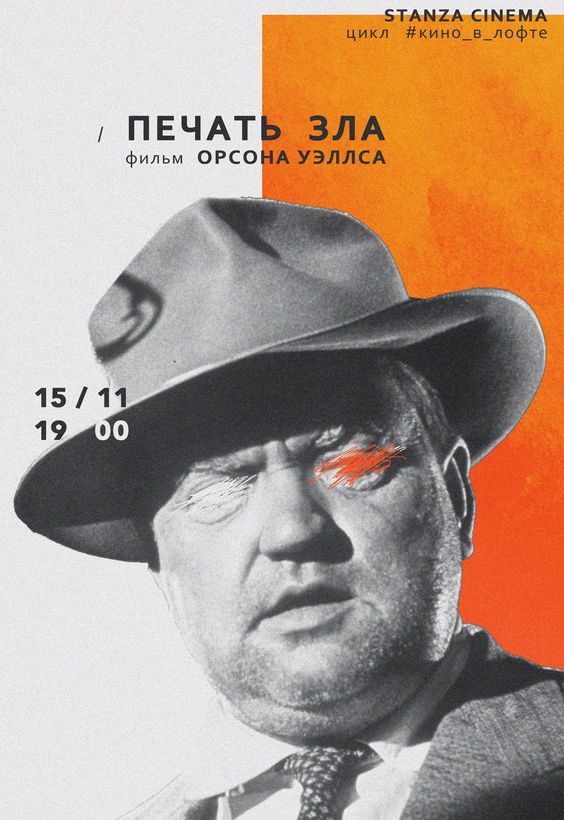
As one of two ‘American’ film directors to be honored in the Russian Golden Eagle film awards category of ‘Contribution to World Cinema’ (the other being Francis Ford Coppola), it seems somewhat obvious to me that Roman Polanski is a filmmaker who closely aligns with the Orson Welles style of film as (Russian / Communist) propaganda.
Much like Coppola – who based his ‘Apocalypse Now’ movie on Welles’ unmade anti-fascist ‘Heart of Darkness’ film and used Welles’ narration in the documentary ‘Hearts of Darkness’ about the making of Apocalypse Now (arguably therefore making an anti-fascist film in the Gothic tradition about American imperialism in Vietnam); Polanski has lauded Welles at times as his film-school idol.
“The school was tightly connected with the Polish film archives and we could see anything we wanted… Personally, I was part of the [Orson] Welles group, but there were also groups of neorealists and students who liked the heroic Soviet cinema.” – Roman Polanski
As the seeming propaganda inspiration for both of these apparent influencers – were Welles still alive today, I am most confident that Russia would have honored him as well.
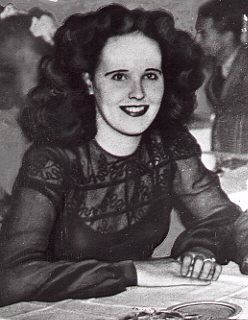
In another long and diverging parallel, I truly enjoyed Mary Pacios’ book ‘Childhood Shadows’, about the January 15, 1947 murder of Elizabeth “Bette” Short – best known as ‘The Black Dahlia’, in Los Angeles California. Pacios offered a fascinating and plausible suggestion that Orson Welles could be a credible suspect in the unsolved case. Welles left the United States shortly after the death. This kind of behavior is common for murder suspects. While Pacios did not explore the politics, my prior research suggests Welles had similar motivations to flee around this time due to his Communist Party linked politics and connections to Russian espionage.
Continue reading “Communist Conspiracy and Murder as a Fine Art”